How Can WordPress Multi Site Management Simplify Website Maintenance and Improve Business Efficiency?
Posted in CategoryGeneral-
GGnx303` 5 hours ago
WordPress multi site management is an effective approach for businesses, website developers, freelancers, and digital marketing agencies that need to maintain multiple websites efficiently. As an organization expands its online presence, managing separate websites can become increasingly time-consuming. Each website requires regular updates, security monitoring, backups, performance optimization, and technical maintenance. Without an organized system, these responsibilities can create unnecessary workloads and increase the risk of overlooked problems.
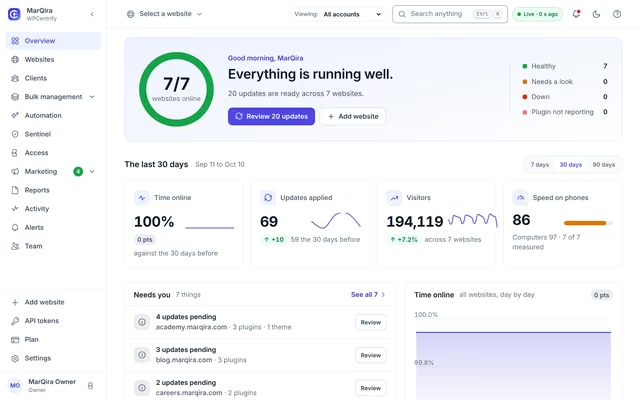
With WordPress multi site management, website administrators can simplify maintenance by using centralized dashboards and specialized management tools. These solutions help users monitor multiple WordPress installations, manage updates, organize backups, and review website performance from a single location. Instead of logging in to every website individually, administrators can handle many routine tasks through a more efficient workflow.
It is important to understand that WordPress Multisite and multi-site management tools are not exactly the same. WordPress Multisite is a built-in WordPress feature that allows users to operate several websites within one WordPress installation. In comparison, website management platforms can connect and manage multiple independent WordPress installations through a centralized dashboard. The right approach depends on the website structure, technical requirements, and level of administrative control needed.
For example, a company operating separate websites for different departments may benefit from WordPress Multisite if the websites share common resources and administration. A digital marketing agency managing websites for different clients may prefer a management platform that keeps each client's WordPress installation independent.
Both approaches can simplify website administration when implemented correctly. They help reduce repetitive work, improve maintenance consistency, and make it easier to monitor a growing collection of websites. By selecting an appropriate management strategy, businesses can spend less time handling routine technical tasks and more time improving their content, customer experience, and online visibility.
Essential Features of WordPress Multi Site Management Tools
WordPress multi site management tools provide several features that help website owners maintain security, performance, and operational efficiency. Centralized website administration is one of the most useful capabilities because it allows administrators to monitor connected websites from one dashboard. This makes it easier to identify websites that require updates, review maintenance status, and organize technical tasks without repeatedly accessing separate administrative panels.
Plugin and theme management is another essential feature. WordPress websites depend on plugins and themes for design, functionality, and integrations. These components require regular updates to fix bugs, improve compatibility, and address security vulnerabilities. A centralized management tool can help administrators review available updates and apply them to selected websites. However, important updates should be tested before deployment whenever possible to avoid unexpected compatibility problems.
Backup management is equally important for protecting business websites. Technical errors, accidental deletions, server failures, and security incidents can damage website files or databases. Automated backup features help create recovery copies according to a planned schedule. Website owners should ensure that backups are stored securely and that restoration procedures are tested regularly. For business-critical websites, having a dependable recovery strategy can reduce downtime and limit the impact of technical failures.
Security monitoring is another major consideration. When several websites are managed together, administrators need a consistent approach to identifying vulnerabilities and responding to potential threats. Depending on the selected platform, management tools may provide security notifications, malware scanning integrations, update alerts, and website monitoring. Strong passwords, two-factor authentication, appropriate user permissions, and secure hosting should complement these features.
Performance monitoring helps administrators maintain a positive visitor experience. Slow page loading, unexpected downtime, and technical errors can affect customer satisfaction and business operations. Some management platforms offer uptime monitoring, performance reports, and integrations with caching or optimization services. By reviewing these indicators, website owners can identify problems and take action before they affect a large number of visitors.
Client reporting and team collaboration are particularly valuable for digital marketing agencies. A centralized system can help teams document completed maintenance activities, track outstanding issues, and communicate website status to clients. When combined with clear workflows, these features make it easier to manage larger website portfolios without sacrificing maintenance quality.
Best Practices for Managing Multiple WordPress Websites
Successful WordPress multi site management requires the right combination of software, security procedures, and maintenance planning. Before choosing a solution, website owners should evaluate their website structure, number of installations, technical skills, and long-term goals. A business operating several related websites under one organization may have different needs from an agency responsible for dozens of independent client websites.
For centralized management of separate WordPress installations, platforms such as ManageWP, MainWP, and WP Umbrella offer different approaches to website maintenance. Their available features may include update management, backups, monitoring, maintenance reporting, and other administrative capabilities. Comparing supported features, pricing, integrations, and security practices helps users select a platform that fits their workflow.
For organizations that need several websites within one WordPress installation, the built-in WordPress Multisite feature may be appropriate. A Multisite network allows a network administrator to manage multiple subsites through a shared installation. Depending on the configuration, websites can share WordPress core files and installed themes or plugins while maintaining separate content and settings. However, network-level decisions can affect multiple subsites, so careful planning is important.
A reliable maintenance schedule should cover WordPress core updates, plugin and theme updates, backup verification, security checks, and uptime monitoring. Administrators should test significant updates on a staging environment when possible, particularly when websites support e-commerce transactions, membership accounts, or other critical functions. This reduces the likelihood that an update will disrupt the live website.
Security policies should also be consistent across the website portfolio. Administrators should remove unused plugins, review user permissions, enable strong authentication, and investigate security alerts promptly. If one website experiences a security incident, other websites should be reviewed when there is a possibility that they share the same vulnerability or access credentials.
Search engine optimization should remain part of the overall maintenance strategy. Each website needs appropriate metadata, useful content, mobile-friendly layouts, logical navigation, and reliable performance. Regular technical SEO reviews can help identify broken links, indexing problems, duplicate content, and slow-loading pages. Although website management tools cannot guarantee higher search rankings, they can help administrators maintain the technical foundation needed for a positive user experience.
Documentation is another valuable practice. Keeping records of hosting arrangements, connected websites, update history, backup schedules, and maintenance responsibilities makes it easier to coordinate work. Agencies can use these records to support client communication, while businesses can use them to maintain continuity when team members change.
As a website portfolio grows, administrators should review their management strategy periodically. A system that works well for a small number of websites may need additional automation, reporting, or access controls as the organization expands. Choosing scalable tools and maintaining clear procedures helps support future growth without creating unnecessary complexity.
Conclusion: Building an Efficient WordPress Multi Site Management Strategy
WordPress multi site management helps businesses, developers, freelancers, and digital marketing agencies simplify website administration and maintain a more organized online presence. Centralized dashboards, update management, automated backups, security monitoring, and performance tracking can reduce repetitive work while making maintenance responsibilities easier to manage.
Choosing between WordPress Multisite and a dedicated WordPress management platform depends on your requirements. WordPress Multisite is designed to operate several websites within one installation, while management tools such as ManageWP, MainWP, and WP Umbrella help administrators oversee multiple WordPress installations. Understanding this difference makes it easier to choose a suitable solution.